
Choosing your first e-vehicle
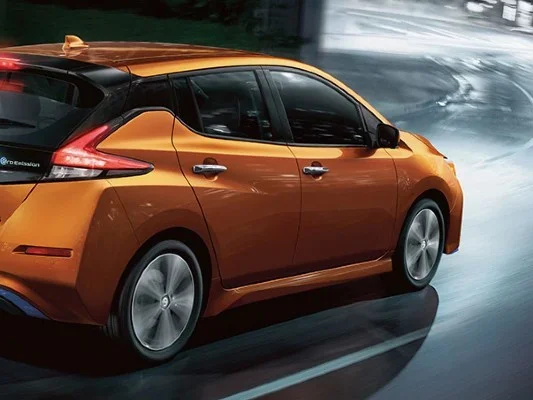
Choosing your first e-vehicle
Though there are many similarities between choosing an ICE car and an electric one, there are some specific aspects to consider. In short, these aspects include battery capacity and range, charge port types and input power, real range under various weather conditions and driving cycles. Other common things to consider include acceleration, top speed, total torque, and drive. However, we will not discuss them in this post as they are similar to that for ICE vehicles.
Battery capacity and range
In general, the battery capacity and range correlate with each other. In other words, the larger the battery is the longer range you will enjoy. Of course, long-range vehicles cost more. Thus, you need to decide what range is appropriate for your needs and your budget. One more aspect to consider is battery performance. To clarify, we are talking about miles per kW. And, of course, the better a battery performs the larger this number is.
So, you can meet a car with a 75-kWh battery that can ride longer than a car of 82 kWh. But, of course, you can never expect a vehicle with a 40-kWh battery to ride as long range as a vehicle of, for example, 60 kWh.
Charge power and charge port types
First, when talking about charge port types, we are talking about whether a vehicle allows DC or only AC charging. Still, only specially designed EV charging stations can provide DC charging. For example, some charging stations by Auto E provide DC charging while others can feed only with AC. So, though DC charging is much quicker than AC one, you should consider whether DC charging is your primary requirement or just an additional one. Fortunately, all fully electric vehicles of 2020 year and younger are equipped both with AC and DC charge ports.
Second, charge power determines how much time you need to spend to fill its battery in full. Typically, for vehicles with batteries with 60-kWh and over, charge power is at least 11 kW. However, there are some models that can receive only, for example, 7.4 kW.
Real range under various weather conditions and driving cycles
Also, pay attention to real range numbers for various weather conditions and driving cycles. To clarify, it is not only about car performance under familiar driving cycles:
- City
- Highway
- Combined
It is about e-vehicle performance in winter and summer. Typically, auto manufactures and various data services provide information for the car range under the following weather conditions:
- Cold weather, which means you will drive at -10°C with heating
- Mild weather, which means you will drive at 23°C without any air conditioning
Perhaps, these are not exact temperatures for your area, but this is enough to make your informed decision.
And, of course, choosing your first e-vehicle must come along with choosing your first EV charging station. And this is where Auto E can help you a lot! Visit our store page to buy an EV charger. Or contact us, and we will help you to choose the one you need.