
Charging Your Electric Car Made Easy
Charging Your Electric Car Made Easy
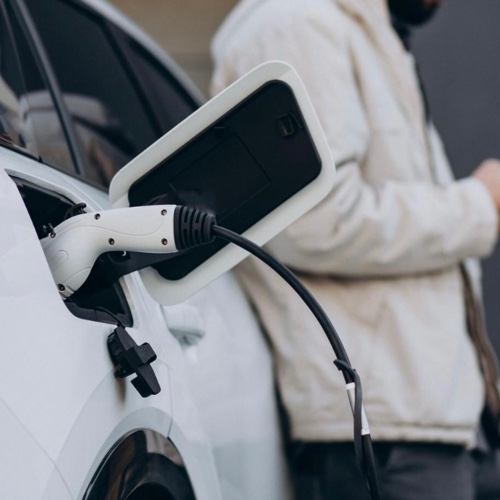
Charging an electric car can be a breeze, indeed. So, let’s break down the procedure, making it easy and hassle-free. From understanding the different charging options to practical charging tips, we've got you covered.
Charging Methods
-
Home Charging - The Convenience at Your Doorstep
This is the most convenient way to feed your electric car. That is why car charging station installation at home is what you need to do right after buying a car. Indeed, owning an EV charger at your residence allows you to plug in your vehicle overnight, ensuring a fully charged battery in the morning.
-
Workplace Charging - Top Up While You Work
More workplaces are now offering chargepoint as an employee benefit. If your workplace has such facilities, take advantage of them during office hours. This way, you can top up your battery while you work, saving time and ensuring a comfortable drive back home.
-
Public Charging Stations - Charging on the Go
Public charging stations are a crucial aspect of the EV infrastructure. They are scattered across cities, making it convenient for EV owners to charge their vehicles while running errands or during long trips. Utilize mobile apps or websites that show real-time availability and plan your trips accordingly. Look for fast-charging stations for quick top-ups during busy days.
-
Fast Charging - Speedy Refueling for Long Journeys
Fast-charging stations, also known as Level 3 chargers, provide rapid charging for your electric car. These chargers can replenish a significant portion of your battery's capacity in a short time. While fast charging is convenient during long trips, regular use of fast chargers may slightly impact the overall battery health. Use fast chargers strategically, balancing them with regular home charging for optimal battery performance.
-
Destination Charging - Charging at Hotels and Destinations
Many hotels, resorts, and tourist destinations now offer destination charging. This service allows you to charge your electric car while you explore new places or enjoy a relaxing vacation. Prioritize booking accommodations that offer EV charging facilities to ensure a smooth and enjoyable travel experience.
Essential Tips for Easy EV Charging
-
Create a Charging Schedule
Establishing a charging schedule can help you manage your battery efficiently. Arranging a session during off-peak hours can save you money on electricity bills a lot. Do not forget that it takes time to refill the battery. For example, with a standard Level 1 charger, it may take around 8 to 12 hours for a full charge. However, with a Level 2, you will reduce the session to approximately 4 to 6 hours. So, identify the time necessary for your car with your available charging options. And establish an EV charging schedule taking this factor into account.
-
Monitor Charging via Mobile Apps
Take advantage of mobile apps offered by car manufacturers and charging networks. These apps allow you to remotely monitor your EV's charging status, receive notifications when charging is complete, and locate nearby charging stations. Stay connected and informed about your car's charging needs.
-
Maintain Battery Health
To maximize the lifespan of your EV's battery, practice good battery care. Avoid frequently letting the battery level drop to zero, and try not to keep it fully charged for extended periods. Maintaining the battery between 20% to 80% capacity is considered optimal for battery longevity.
-
Plan for Long Trips
If you're embarking on a long road trip, plan your charging stops in advance. Identify charging stations along the route and make sure they are compatible with your EV. Additionally, consider any detours or sightseeing stops to incorporate charging into your travel itinerary seamlessly.
-
A Few Words About Weather Conditions
Extreme weather conditions, particularly extreme heat or cold, can affect your battery performance. However, they have no effect on EV charging itself. To clarify, you can safely use an EV charger even when it is raining as EVSE is designed to be weather-resistant.
-
How to Find Nearby Charging Stations
Numerous mobile apps and websites can help you find nearby charging stations. EV charging apps provided by car manufacturers and charging networks are especially useful for this purpose.
Conclusion
So, charging an EV is no longer a daunting task. Armed with the knowledge from this comprehensive guide, you can confidently charge your electric vehicle at home, work, or on the go. Embrace the electric revolution, reduce your carbon footprint, and enjoy the numerous benefits of electric cars. Remember, a cleaner and greener future starts with each one of us taking small but meaningful steps towards sustainability.