
Comparing EV Charging Speeds
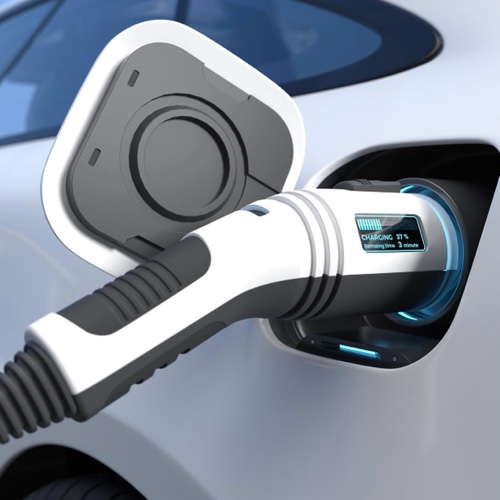
Comparing EV Charging Speeds
When it comes to Comparing EV Charging Speeds, various factors come into play. It's not just about plugging in and waiting; it's about understanding the charging infrastructure and the different charging speeds available to you.
In this post, we will discuss the nuances related to comparing EV charging speeds various EV chargers can output.
If you need a reliable electric home car charger, check out our home EV charging station list and choose one that fits your needs.
Understanding Charging Speeds
EV charging speeds can be broadly categorized into three main levels:
- Level 1 - Slow Charging: Level 1 charging operates at a standard household outlet voltage. It's the slowest method, delivering about 2.5 kW per hour of charging. With today's EV battery capacity and modern range anxiety, this is not enough even for overnight charging to fill EV battery at full. That is why Level 1 solutions are not popular on the market. At Auto-E, we also do not offer such low-speed solutions as a mounted EV charger, only as a portable solution.
- Level 2 - Moderate Charging: Level 2 charging stations use a 240V power supply and are commonly found at homes, workplaces, public parking lots, and shopping centers. Typically, all moderate EV charging solutions can be divided onto two categories:
- Units that can output up to 7 kW
- Units that can output up to 22 kW
- Level 3 - Fast Charging: Fast chargers are designed for quick pit stops on long journeys. They can provide around 60 to 80 miles of range in just 20 minutes of charging. However, it's essential to check your vehicle specifications to understand if this type of EV charging solution can benefit your vehicle.
Factors Influencing Charging Speeds
Several factors can affect the actual charging speed:
- EV Model: Different EVs come with different battery charging input capabilities. Sometimes, it is a battery input capability that limits charging speed. For example, if the input capability is only 11 kW, a 22-kW EV charger will have to output only 11.
- Charging Station: The type of charging station and its power output significantly impact charging speed. A Level 3 charger will always be faster than a Level 1 charger.
- Battery State: Charging speed may decrease as the battery approaches full capacity, so the initial charging is faster than the final stretch.
- Environmental Conditions: Extreme temperatures can slow down charging, as batteries work less efficiently in extreme heat or cold.
Conclusion
When it comes to comparing EV charging speeds, understanding the nuances of different charging levels, the factors influencing speed, and your specific EV's capabilities is crucial. By making informed choices, you can ensure a smooth and efficient charging experience for your electric vehicle.