
EV or not EV
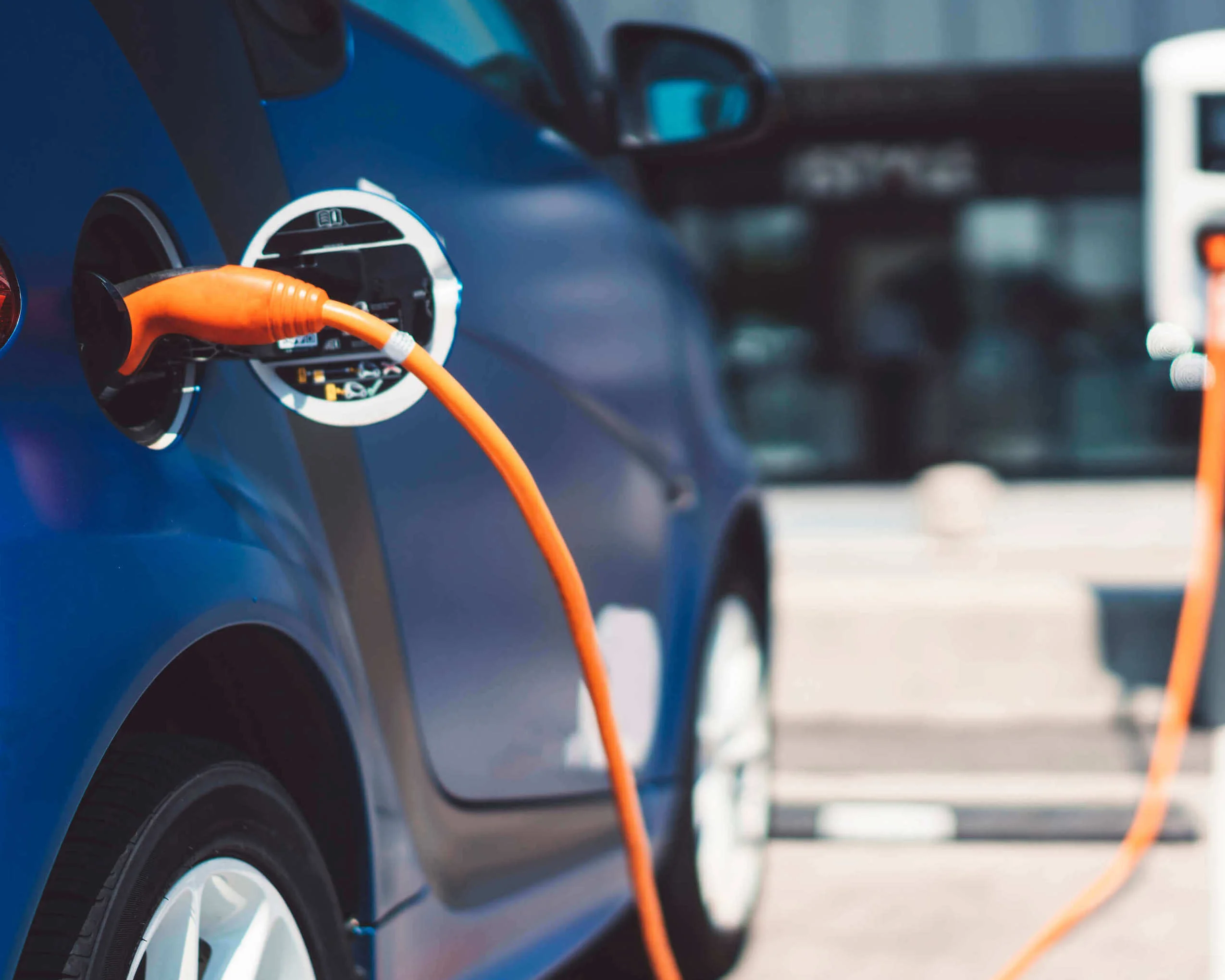
EV or not EV
While some people shift to electric vehicles due to their high eco-responsibility, others do this because of lower car expenses. In this post, we compare petrol and electric cars based on two factors – driving and running costs.
Costs of driving 100 miles
Let’s start with the driving costs. These costs may take a crucial part of all your car expenses. Thus, it is important to consider them first.
For our calculations, we take three assumptions. First, we take average numbers, relevant for the urban driving cycle:
- 26 kW for a battery car
- 8 litres for a petrol car
Second, for electric vehicles, we take a home-charging scheme as this covers about 80% of all cases. Moreover, there could be two types of electricity tariffs to apply. Thus, in case of ‘time of use’ electricity tariffs, let’s suppose you will charge your car overnight.
At last, we take average petrol and energy prices in the UK:
- £0.16 per kW with a non-differentiated rate
- £0.1 per kW with a night unit rate
- £1.5 per litre of gasoline
So, how much does it cost to charge an electric car so that it can cover 100 miles? About £4.16 on average with a non-differentiated rate and only £2.6 with a ‘time of use’ tariff and overnight charging. And what about fueling a petrol car so that it can ride 100 miles? Around £12 on average.
Running costs
Here, running costs include servicing costs, taxes, and other charges.
First, when it comes to servicing costs, it comes to a full service, which is recommended to undergo at least every two or three years. As electric cars have got fewer moving parts, you do not need to change oil and various filters – oil, fuel, and air. As a result, average servicing costs for non-premium makes and models are as follows:
- about £150-250 for EVs
- versus £200-250 for ICE vehicles
Second, when it comes to taxation, EV owners benefit from Vehicle Excise Duty exemption. To clarify, fully electric vehicles enjoy not only zero emission but zero tax rate as well. In contrast, petrol car owners have to pay at least £155 annually. Similarly, it goes with some charges, such as, for example, Ultra Low Emission Zone charge. To clarify, EV drivers do not have to pay them also.
To sum up, the costs of driving 100 miles for ICE vehicles are much higher than that for EVs. The same is with servicing costs, taxes and other charges. Thus, we can conclude driving an EV is more cost-effective than driving ICE vehicles.
However, we shall admit, the purchase price and repair costs of the latter are higher than that of the former. Still, there are government purchase grants and repair costs tend to lower due to more engineers get expertise in this domain.