
Government Incentives for Commercial EV Charging
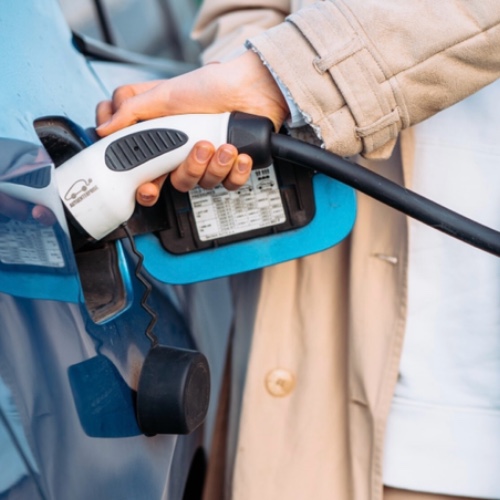
Government Incentives for Commercial EV Charging in the UK
Updated August 2026 with current grant amounts, prices and regulations.
As businesses and industries transition towards greener practices, the UK government has introduced a range of incentives to encourage the widespread establishment of commercial EV charging stations.
This article delves into the dynamic landscape of Government Incentives for EV commercial charging stations, highlighting the significance of these initiatives and their impact on sustainable transportation. The incentives are designed to benefit businesses of all sizes, from small enterprises to large corporations. The goal is to promote widespread adoption of EV charging infrastructure.
Encouraging Infrastructure Development
Government Incentives play a pivotal role in facilitating the development of robust EV charging infrastructure. With the sale of new pure petrol and diesel cars ending in 2030 (some hybrids may still be sold until 2035), and the Zero Emission Vehicle (ZEV) mandate requiring 33% of each manufacturer's new car sales to be zero-emission in 2026 (up from 28% in 2025, rising to 80% by 2030 and 100% by 2035), the need for widespread charging points becomes evident. The government offers grants and financial support to businesses looking to install chargepoints, enabling them to contribute to the expansion of the charging network. Demand is also being pulled through on the vehicle side: the Electric Car Grant, launched in July 2025, offers up to £3,750 off new EVs priced up to £37,000, which brings more electric cars onto staff car parks, customer forecourts and fleet depots.
OZEV Grants
Businesses seeking to embark on the journey towards sustainable practices can tap into various grant schemes and funding opportunities. The Workplace Charging Scheme (WCS) provides financial assistance to companies, charities and public-sector organisations willing to install charging points at their premises. This not only caters to the charging needs of employees but also sends a strong message about the company's commitment to environmental responsibility.
The Office for Zero Emission Vehicles (OZEV) administers the scheme, which is designed to make EV charging more accessible and affordable. From 1 April 2026 the WCS covers up to 75% of the purchase and installation cost, capped at £500 per socket (previously £350), for up to 40 sockets per applicant, and the scheme has been extended to March 2027. Applications are now made through a new digital system introduced in April 2026: the business applies directly to OZEV rather than through its installer, and then appoints an OZEV-authorised installer to carry out the work. State-funded schools and education institutions can claim a higher rate of £2,000 per socket for new applications made after 1 April 2026, and residential landlords can claim the EV chargepoint grant of £500 per socket for up to 200 sockets across their properties. To qualify, applicants must meet specific eligibility criteria, such as having dedicated off-street parking, installing smart chargepoints and using them for staff and fleet vehicles. See our Workplace Charging Scheme 2026 guide for a step-by-step walk-through of the application.
Tax Incentives and Benefits
The allure of tax incentives further sweetens the deal for businesses considering EV charging station installations. As part of a concerted effort to promote clean transportation, the government offers tax benefits to eligible businesses, making the transition to EV charging financially viable and appealing.
Businesses can claim a 100% first-year capital allowance on the cost of qualifying EV chargepoint equipment, which enables them to deduct the full cost from taxable profits in the year of purchase. In the Autumn Budget 2025 this allowance was extended by a further year, to 31 March 2027 for Corporation Tax and 5 April 2027 for Income Tax, so chargepoints installed during the 2026/27 tax year still qualify. This provides a significant financial incentive for businesses to invest in sustainable charging solutions, and it can be combined with the WCS grant.
Regulatory Support and Compliance
Navigating the regulatory landscape is a crucial aspect of setting up commercial chargepoints. The government offers guidance and support to ensure that businesses adhere to industry standards and regulations. This proactive approach promotes the seamless integration of EV charging infrastructure while maintaining safety and operational efficiency.
The rules have firmed up considerably in recent years. Under the Public Charge Point Regulations 2023, chargepoints open to the public must offer contactless payment on units of 8 kW and above, display prices transparently in pence per kWh, and rapid networks must achieve 99% reliability. Chargepoints sold for workplace or domestic use must comply with the Electric Vehicles (Smart Charge Points) Regulations 2021, in force since June 2022, and every new installation must be notified to the local Distribution Network Operator (UK Power Networks in London). Part S of the Building Regulations, which came into force in June 2022, also requires chargepoints or cable routes to be provided in new buildings and major renovations with car parking. Working with an experienced EV charger installer in London takes the compliance burden off your team, and if existing units on your site fail, our any-brand chargepoint repair service can get them back on line to protect your uptime.
The Role of Local Authorities
Local authorities also play a crucial role in the implementation of EV charging infrastructure. They collaborate with businesses and provide support through funding and strategic planning. Through the £381 million Local Electric Vehicle Infrastructure (LEVI) Fund, councils in England are working with private chargepoint operators to deliver more than 100,000 additional chargepoints, primarily for residents without off-street parking. By fostering partnerships between the public and private sectors, local authorities contribute to the widespread availability of charging stations.
Conclusion
The Government Incentives for Commercial EV Charging in the UK serve as a powerful catalyst for the transformation of transportation towards a sustainable and eco-friendly future. Through grants, funding, tax benefits and regulatory support, businesses are empowered to actively participate in the electrification revolution. With public rapid charging averaging around 80p/kWh in mid-2026 (and carrying 20% VAT), a workplace or destination chargepoint offering cheaper electricity is a genuinely valued perk for staff and customers alike. As a UK manufacturer and installer based in London NW1, Auto E supplies 22 kW commercial wall units from £1,449 and DC "Charging Complex" rapid hubs from £21,000, and can advise on the grants available for your site. As the charging infrastructure expands, the UK takes confident strides towards reducing its carbon footprint and embracing a cleaner mode of transportation.