
How to Choose a Good EV Charger for Home: A Comprehensive Guide
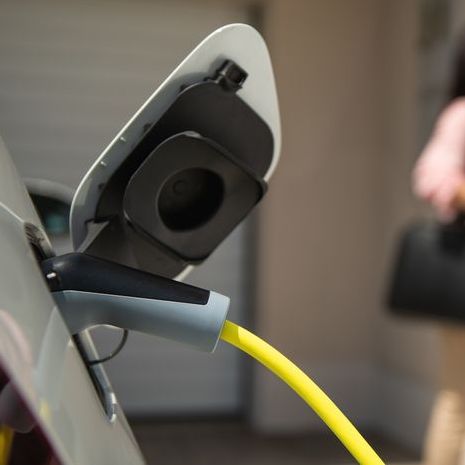
How to Choose a Good EV Charger for Home: A Comprehensive Guide
With the rise in popularity of electric vehicles (EVs), it has become increasingly important for homeowners to have a reliable and efficient EV charger at home. Choosing the right EV charger can significantly impact your charging experience, ensuring convenience and peace of mind. In this guide, we will walk you through the process of selecting a good EV charger for your home, providing you with valuable insights and expert advice.
If you are looking for ev home charger installers near you, we are ready to help you!
How to Choose a Good EV Charger for Home: Factors to Consider
1. Charging Speed
One of the crucial factors to consider when selecting an EV charger for your home is the charging speed. The charging speed is measured in kilowatts (kW), and it determines how quickly your EV will charge. Higher charging speeds can significantly reduce charging time, allowing you to get back on the road faster. Consider your daily driving needs and the battery capacity of your EV to determine the optimal charging speed for your home charger.
2. Compatibility
Ensure that the EV charger you choose is compatible with your electric vehicle. Different EV models have varying charging requirements, and it's important to select a charger that supports the charging standards of your EV. Common charging standards include Level 1 (120V), Level 2 (240V), and DC Fast Charging. Consult your EV manufacturer's specifications or reach out to a professional to determine the compatibility of the charger with your vehicle.
3. Power Output
The power output of an EV charger determines how much electricity it can deliver to your vehicle. It is typically measured in amps (A) and determines the rate of charge. Higher power output chargers can deliver more electricity to your vehicle, resulting in faster charging. However, it's essential to ensure that your home's electrical system can support the power requirements of the charger you choose.
4. Connectivity and Smart Features
Consider the connectivity and smart features offered by the EV charger. Many chargers come with Wi-Fi or Bluetooth connectivity, allowing you to monitor and control the charging process through a mobile app. Smart features such as scheduling, energy monitoring, and load management can enhance the efficiency and convenience of charging your EV at home.
5. Durability and Weatherproofing
Since your EV charger will be installed outdoors, it's crucial to choose a charger that is durable and weatherproof. Look for chargers with robust construction, designed to withstand various weather conditions, including rain, snow, and extreme temperatures. Additionally, opt for chargers with proper insulation and protection against electrical faults.
6. Safety Features
Safety should be a top priority when selecting an EV charger for your home. Look for chargers that come with built-in safety features such as ground fault circuit interrupters (GFCIs), overcurrent protection, and surge protection. These features help prevent electrical hazards and ensure the safe operation of the charger.
7. Brand Reputation and Warranty
Consider the reputation of the EV charger brand and the warranty offered. Opt for chargers from reputable manufacturers known for their quality and reliability. A longer warranty period provides you with added peace of mind, as it indicates the manufacturer's confidence in their product.
How to Choose a Good EV Charger for Home: Frequently Asked Questions (FAQs)
FAQ 1: Can I install an EV charger myself?
Installing an EV charger typically requires electrical expertise and knowledge of local electrical codes. It's recommended to hire a professional electrician to ensure a safe and proper installation.
FAQ 2: Can I use a Level 2 charger with a regular household outlet?
Level 2 chargers require a 240-volt circuit, which is different from a standard household outlet. To use a Level 2 charger, you will need to install a dedicated circuit and outlet specifically designed for EV charging.
FAQ 3: How much does a home EV charger cost?
The cost of a home EV charger varies depending on the brand, features, and installation requirements. On average, you can expect to spend between $500 and $1,500 for a good quality charger.
FAQ 4: Can I take my EV charger with me if I move?
Yes, most EV chargers are portable and can be easily uninstalled and taken with you when you move. However, consult the manufacturer's instructions and consider hiring a professional to ensure a safe removal and installation process.
FAQ 5: Are there any government incentives or rebates for installing an EV charger at home?
Yes, many governments and utility companies offer incentives and rebates to encourage the installation of EV chargers at home. Research local programs and initiatives to take advantage of potential cost savings.
FAQ 6: Can I charge my EV using a standard 120-volt household outlet?
While it is possible to charge an EV using a standard 120-volt outlet, known as Level 1 charging, it is considerably slower compared to Level 2 charging. Level 2 chargers are recommended for faster and more convenient charging at home.
Conclusion
Choosing a good EV charger for your home is essential to ensure a seamless and efficient charging experience for your electric vehicle. Consider factors such as charging speed, compatibility, power output, connectivity, durability, safety features, brand reputation, and warranty when making your decision. By following this comprehensive guide, you'll be well-equipped to select the perfect EV charger that meets your needs and enhances your overall EV ownership experience.