
Impact of EV Charger Installations on Local Communities
The Impact of EV Charger Installations on Local Communities
In an era where sustainability takes center stage, the installation of EV chargers in local communities marks a significant leap towards a greener future. This article delves deep into the multifaceted Impact of EV charger installation on local communities, examining the diverse aspects that contribute to this revolutionary change.
Transformative Shift Towards Green Transportation
EV charger installations have far-reaching effects on the fabric of local communities. As the demand for sustainable transportation grows, the positive impacts are becoming increasingly evident. To clarify, the installation signifies a monumental shift towards eco-friendly mobility. With more charging stations available, individuals are encouraged to switch to electric vehicles, reducing their carbon footprint and contributing to a cleaner environment. The convenience of charging infrastructure empowers communities to adopt sustainable transportation practices, fostering a collective commitment to environmental responsibility.
Benefiting Local Businesses
EV chargers attract eco-conscious customers, fostering a positive image for businesses. Additionally, businesses can collaborate on charging infrastructure projects, creating a sustainable ecosystem. The increased foot traffic around charging stations provides local businesses with opportunities to engage with environmentally conscious consumers, ultimately boosting sales and revenue.
Concerns regarding the aesthetics
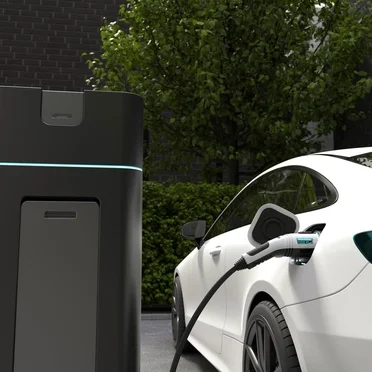
Efforts are made to integrate charging stations seamlessly into urban landscapes, ensuring minimal impact on aesthetics. Innovative designs and strategic placements contribute to their harmonious blend into communities. Urban planners and architects work collaboratively to create visually appealing charging stations that enhance the overall aesthetic of the locality. Community feedback is often sought to ensure that the chargepoint design aligns with the preferences of residents.
Staying prepared and future-proofed
Communities can future-proof by adopting scalable solutions and incorporating EV charging infrastructure into urban development plans. Collaboration with businesses and government initiatives is key. Conducting comprehensive studies to identify high-demand areas, analyzing traffic patterns, and consulting with experts in urban planning ensures that communities are well-prepared to meet the growing demand for EV charging. Establishing flexible and adaptive charging infrastructure models allows communities to respond effectively to evolving needs.
Increasing property values
There is a positive correlation between EV charger availability and property values. Units in EV-friendly neighborhoods tend to attract more homebuyers. Homes equipped with or located in close proximity to EV charging infrastructure are perceived as more desirable.
Conclusion
As the wheels of progress turn towards a sustainable future, the Impact of EV Charger Installations on Local Communities is undeniable. From economic growth to environmental benefits, the positive effects resonate across various facets of community life. Embracing this change is not just an investment in the present but a commitment to a cleaner, greener tomorrow.