
Pros and Cons of Different Types of Commercial EV Charging Solutions
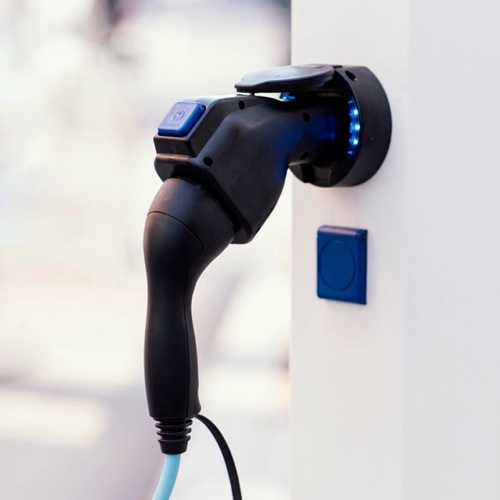
The Pros and Cons of Commercial EV Charging Solutions
As the shift towards electric vehicles (EVs) affects businesses, the demand for commercial EV charging solutions has surged. From traditional AC chargers to cutting-edge DC fast chargers, each solution comes with its own set of benefits and limitations.
In this article, we'll delve into the pros and cons of different types of commercial EV charging solutions, aiding you in making well-informed decisions for your business.
AC Charging Stations
AC charging stations output alternating current and supply it into electric vehicles. The charging speed here may vary from 7 to 140 kW and more.
The advantages of a commercial EV charging station that works with AC are as follows:
- Affordability: AC solutions are budget-friendly, which makes them more accessible to a broader audience. Even a small business can afford such facilities.
- Wide Compatibility: All the EVs are equipped with AC chargers, ensuring compatibility and convenience.
- Ease of Installation: AC stations are easy and, thus, cheaper to install.
However, such EVSE has got its downside. To clarify, such solutions do not provide the fastest charging. This makes them less suitable for high-traffic areas, where rapid refueling is demanded.
DC Charging Stations
DC charging stations, also known as superfast chargers, supply direct current, which is more powerful.
The benefits of DC stations include as follows:
- Lightning-Fast Charging: Such units can provide a significant charge in a short time.
- Larger profit: DC charging is more expensive than AC one. Therefore, if you are planning to use such stations to generate profit from providing EV charging amenities, you will get a larger profit.
However, DC charging stations have their drawbacks:
- Higher Cost: Both units and installations are more expensive. Higher unit price is because of its higher complexity. Installation can be expensive due to the need for advanced electrical infrastructure.
- Limited Compatibility: Not all EVs can take full advantage of DC charging speeds, potentially limiting its usefulness. So, some older makes will not use your amenities.
Conclusion
Choosing the right commercial EV charging solution requires careful consideration of your business's needs, customer base, and budget. From AC chargers offering affordability to DC solutions providing lightning-fast refueling, each option has its own set of advantages and drawbacks. By weighing the pros and cons presented here, you can make an informed decision that aligns with your business's goals while contributing to the growing electric vehicle ecosystem.