
The EV car vs cold weather
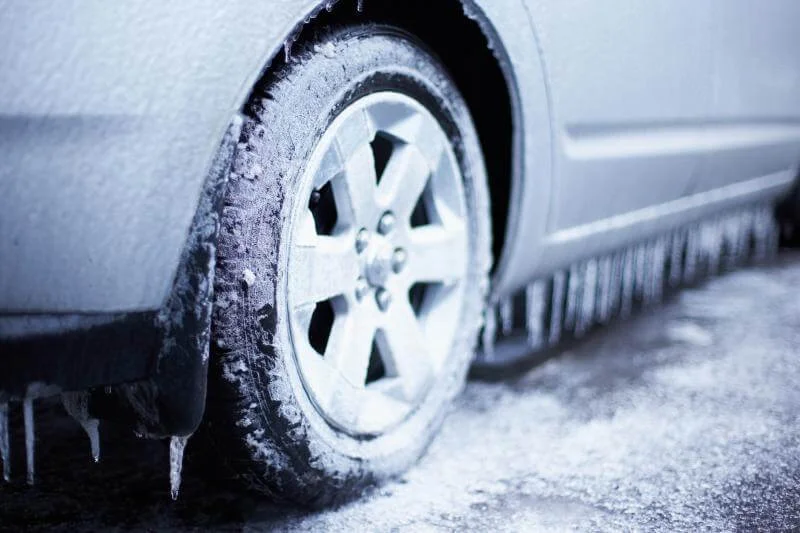
The EV car vs cold weather
Undoubtedly, you have heard (or, perhaps, even experienced it), in winter, electric car can’t ride as far as in summer. Why? Because cold weather affects the electric vehicle. To be more precise, it affects its battery and, thus, decrease its range.
So, read further to get the full picture of why low temperatures decrease EV range and how you can ensure hassle-free rides during winter.
Why low temperatures decrease EV range
Some say the main reason for losing EV its range in cold weather hides in the nature of their lithium-ion batteries. That is to say, are very the batteries are highly temperature-sensitive and their electrolyte fluid becomes sluggish at low temperatures. That is just partially true.
Still, there are three other major reasons why low temperatures decrease EV range:
- Part of the battery energy goes to keeping the passengers well-heated;
- Part of the energy goes to heating the battery itself;
- The recuperation efficiency of the EV regenerative braking system tends to zero and energy recovery isn’t sufficient at all.
How you can ensure hassle-free rides during winter
Note, we are not speaking about you having options to prevent the electric car from losing its performance in low temperatures. To tell the truth, there is nothing you can do here at all. It’s just physics.
But we tell you that you can avoid “it has stopped halfway” and “it doesn’t ride” issues with your electric car. And his is what is really important to your driving experience.
In other words, you cannot prevent a decrease in EV range in cold weather but you can ensure you will get to your destination without discomfort.
Tips for using an electric car in low temperatures
Here are all the tips that help you to cope with the low-range realities of your electric vehicle:
First, always keep your car battery fully charged. To clarify, you should plug in your car every time you have an opportunity to do this. Ideally, do not leave your home with just a half-ranged battery. And never attempt to take a ride with a battery charge below 20-30%
Second, always prepare your car for a ride. To be specific, ensure your car battery is well-preheated so it doesn’t need to waste extra energy on heating itself first right at the start.
At last, ensure an opportunity to charge your EV anywhere. For this purpose, we recommend purchasing a portable EV charger, which enables you to top up your EV battery even if there is no stationary EV charging station at a spot.
What EV chargers to use
While there are no special requirements for EV chargers installed inside heated premises.
However, those that installed outside must, at least:
- Be water-resistant with a waterproof casing,
- Have operating temperature range consistent with low temperatures (for example must withstand -20°C and below).
At Auto E, we manufacture and sell EV charging stations that fully meet the aforementioned requirements. Visit our catalogue to learn more about our products and order one of the chargers for home or commercial use.