
The Role of Charging Infrastructure
The Role of Charging Infrastructure
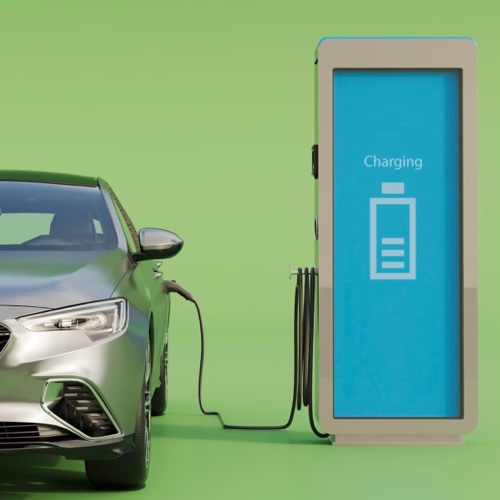
In short, the role of EV charging infrastructure is undeniable as it serves as the backbone of electric mobility. A robust EV charging network is essential to overcome the barriers associated with EV adoption, such as, for example, range anxiety. But let's delve deeper into the various facets of charging infrastructure and its far-reaching impact.
-
Enhancing Range Confidence
Range anxiety is one of the primary concerns of potential EV buyers. To clarify, they might fear they can run out of charge with no facilities to top up their battery nearby. Installation of EV charging stations across all urban areas addresses this concern by providing an EV charger network across cities, highways, and so on. This expansive network enhances range confidence, encouraging more people to make the transition to electric vehicles.
-
Accelerating EV Adoption
The accessibility and convenience of car feeding means play a pivotal role in accelerating the EV adoption. With easy access to charging stations, EV owners can feed their cars quickly, making electric mobility a viable and attractive option for daily commuting and long-distance travel.
-
Boosting Sustainability Efforts
Charging infrastructure is a crucial component in the pursuit of sustainability goals. By facilitating the EV adoption, it helps reduce gas emissions and dependence on fossil fuels. And, thus, contributes to a cleaner and greener environment.
-
Driving Technological Updates
The establishment of EV charging infrastructure has spurred technological progress in the industry. As more charging stations are deployed, EV manufacturers are compelled to develop faster charging units, driving also significant innovation in the EV sector.
-
Creating Job Opportunities
The EVSE infrastructure development has a positive impact on the job market. From installation to repair and maintenance needs, these facilities create new job opportunities. And not only in EVSE servicing, but in many other sectors, for example in the sector of renewable energy.
-
Supporting Renewable Energy Integration
Charging infrastructure can be optimised to support the integration of renewable energy sources. By intelligently managing charging patterns, charging stations can tap into renewable energy during peak production hours, reducing the strain on the grid and maximising the use of clean energy.
-
Fostering Economic Growth
The growth of EV charging infrastructure has a ripple effect on the economy. The increasing demand for EVs and charging stations drives R&D investment, as well as in the manufacturing sector, fostering innovations and economic growth.
-
Global Efforts and Collaborations
EV charging infrastructure is a global endeavor, requiring collaboration between countries and international organisations to create a seamless and interconnected charging network worldwide.
Conclusion
The role of EV charging infrastructure cannot be overstated. From enhancing range confidence to promoting sustainability and driving technological progress, it is at the forefront of transforming our transportation ecosystem. Governments, private enterprises, and communities must work hand in hand to build a comprehensive and accessible network that paves the way for a more sustainable future.